The vending machine industry has evolved far beyond its traditional roots, becoming an innovative and flexible solution for businesses looking to enhance customer experiences while generating additional income. Among the most effective models driving this evolution is revenue sharing, a strategy that aligns the interests of vending operators and their business partners to create mutually beneficial relationships.
Revenue-sharing models offer businesses the opportunity to host vending machines on their premises without incurring upfront costs or dealing with operational complexities.
Companies like VendEase have championed this approach, ensuring that both the vending operator and the host business reap the rewards. This article delves into the mechanics of revenue sharing in the vending industry, exploring its benefits and how it fosters long-lasting partnerships.
What Is Revenue Sharing in Vending?
Revenue sharing in the vending industry is a business model where the host location and the vending operator split the profits generated by the machines. Typically, the vending operator covers the costs of installing, maintaining, and restocking the machines, while the host provides the physical space and access to customers.
This arrangement allows the host business to earn a share of the revenue generated without the hassle of managing the vending operation. The percentage split is usually negotiated based on factors such as the location’s foot traffic, the type of products offered, and the target customer base.
How Revenue Sharing Works
The revenue-sharing model operates on a simple yet effective principle: both parties contribute to the success of the vending operation and share in its profits. Here’s how it typically works:
- Assessment and Installation: The vending operator evaluates the host location to determine its suitability for a vending machine. Factors like foot traffic, customer demographics, and competition are considered. If the location meets the criteria, the operator installs the machine at no cost to the host.
- Stocking and Maintenance: The vending operator is responsible for stocking the machine with products tailored to the location’s audience, as well as maintaining the machine to ensure seamless operation.
- Revenue Collection and Sharing: The operator collects the revenue generated by the machine, deducts operating costs, and shares the agreed-upon percentage of the profits with the host business.
- Performance Monitoring and Optimisation: Both parties can monitor the machine’s performance, leveraging data on sales trends and customer preferences to optimise product offerings and maximise revenue.
The Benefits of Revenue Sharing for Host Businesses
Revenue sharing offers host businesses a range of advantages that make it an appealing partnership model:
1. Additional Income Stream
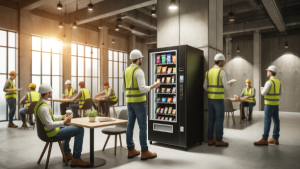
One of the most significant benefits of revenue sharing is the opportunity to generate passive income. Businesses can monetise underutilised spaces, such as break rooms, lobbies, or waiting areas, without investing in the infrastructure or resources required to manage a vending machine.
2. No Upfront Costs or Operational Burdens
With the vending operator handling installation, maintenance, and inventory management, the host business avoids upfront expenses and operational complexities. This makes revenue sharing a low-risk, high-reward proposition.
3. Enhanced Customer Experience
A well-stocked vending machine can improve the overall customer experience by offering convenient access to snacks, beverages, or even niche products. This added amenity can increase customer satisfaction and encourage repeat visits.
4. Tailored Offerings for Specific Audiences
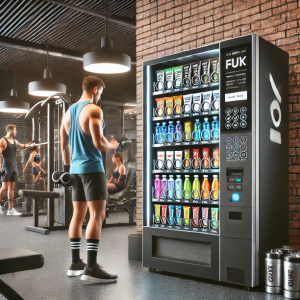
Revenue-sharing models often involve customised product selections that align with the preferences of the host location’s audience. For example, a gym might feature protein bars and energy drinks, while an office building could stock coffee and grab-and-go meals.
The Benefits of Revenue Sharing for Vending Operators
For vending operators, revenue-sharing partnerships provide significant advantages that support sustainable growth:
1. Access to Prime Locations
Revenue-sharing models allow operators to secure placements in high-traffic areas, such as office buildings, hospitals, or retail spaces, without the need for expensive lease agreements.
2. Aligned Interests with Hosts
When both the operator and the host have a vested interest in the machine’s success, it fosters collaboration and mutual support. Hosts are more likely to promote the vending machine to their customers, driving higher sales.
3. Predictable Revenue Streams
By partnering with reliable host locations, operators can establish steady revenue streams while expanding their network of machines.
4. Insights from Diverse Locations
Revenue-sharing arrangements across various locations provide operators with valuable data on consumer behaviour, helping them refine their strategies and optimise offerings for different audiences.
Why Revenue Sharing Works: The VendEase Example
VendEase is a leader in the vending machine industry and exemplifies how revenue-sharing models can create successful partnerships. By placing fully managed vending machines at no cost to the host, VendEase eliminates barriers to entry for our partners.
Our approach includes:
- Customised Product Offerings: VendEase tailors its machine stock to the specific needs and preferences of the host location’s audience.
- Advanced Technology: With real-time telemetry systems, VendEase ensures that machines are always well-stocked and operational, minimising downtime and maximising revenue potential.
- Transparent Revenue Sharing: Hosts receive a clear, consistent share of the profits, fostering trust and long-term collaboration.
This win-win approach has allowed VendEase to build strong partnerships across industries, from hospitality to healthcare, enhancing customer experiences while driving profitability.
Challenges in Revenue Sharing and How to Overcome Them
While revenue-sharing models offer numerous benefits, they are not without challenges. Common issues include:
- Unrealistic Expectations: Both parties must have realistic expectations about revenue potential, especially in lower-traffic locations. Open communication and data-driven projections can mitigate misunderstandings.
- Product Selection and Pricing: Ensuring the right mix of products at competitive prices is essential for maximising sales. Regular analysis of sales data can help operators fine-tune offerings.
- Machine Maintenance: Downtime due to technical issues can hurt revenue and damage the partnership. Operators should prioritise preventive maintenance and quick responses to service requests.
By addressing these challenges proactively, both operators and hosts can maximise the benefits of their revenue-sharing partnerships.
Conclusion: A Partnership for Success
Revenue-sharing models have transformed the vending industry, offering a win-win solution for operators and host businesses. By eliminating upfront costs and operational burdens, these partnerships enable businesses to generate additional income while enhancing customer satisfaction.
For vending operators, the model provides access to prime locations, steady revenue streams, and valuable consumer insights. Meanwhile, host businesses benefit from increased amenities, passive income, and a hassle-free experience.
As companies like VendEase continue to refine the revenue-sharing approach, the potential for mutually beneficial partnerships in the vending industry is only growing. In a competitive market, this collaborative model stands out as a proven strategy for success.
—
VendEase is revolutionising the vending machine industry in the UK by bringing a modern, high-tech approach to automated retail. Founded in 2004 by Jonny Holmes and Dave Berman, VendEase started with a vision to change the way vending machines serve customers, transforming them from basic snack dispensers into sophisticated, reliable, and essential services across a variety of industries.
VendEase isn’t just about vending machines; it’s about delivering innovative, customer-centric solutions that add real value to businesses and their clients. Our approach is built on reliability, advanced technology, and a deep understanding of the unique needs of each sector we serve. We believe in the power of convenience and are committed to pushing the boundaries of what vending can offer.