In recent years, the hospitality sector has witnessed a meaningful shift in the way food, beverages, and convenience items are delivered to guests and employees alike. Among the most disruptive innovations is the emergence of micro-markets, an unstaffed, self-service retail concept that has revolutionised the traditional vending and grab-and-go experience.
For hoteliers, venue managers, and operators of hospitality services, micro-markets represent not just a convenient solution, but a profound reimagining of how service and revenue can be optimised in an increasingly digital world.
What Is a Micro-Market?
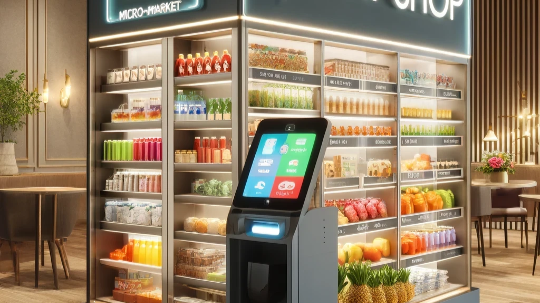
A micro-market is essentially a small, unstaffed retail space that offers a range of products typically found in vending machines but displayed in an open, shop-like setting. These markets often feature a selection of fresh and healthy foods, premium snacks, beverages, and even non-food items such as toiletries or tech accessories.
What sets them apart is their reliance on technology: customers can browse items at their leisure and pay using a self-checkout system, often integrated with cashless payment options and mobile apps.
And, unlike traditional vending machines, micro-markets allow for a broader product selection, a more inviting user experience, and the ability to tailor offerings to the preferences of a specific customer base.
Why Are Micro-Markets Gaining Popularity in Hospitality?
The rise of micro-markets is not an accident. They sit at the intersection of several key trends driving the hospitality industry today:
1. Demand for Convenience
The hospitality sector is increasingly shaped by the need to deliver convenience in every aspect of a guest’s experience. Micro-markets offer a 24/7 solution, allowing customers to purchase what they need when they need it without relying on staffed facilities. For business travellers arriving late at a hotel or event-goers looking for a quick snack during a conference break, micro-markets eliminate the wait times and limited options typically associated with traditional vending machines or closed hotel kitchens.
2. Health-Conscious Consumers
Today’s consumers are more health-conscious than ever, seeking out fresh, nutritious, and sustainable options. Micro-markets allow operators to cater to this demand by offering salads, fresh sandwiches, protein-packed snacks, and even plant-based meal options. These markets can adapt their product mix to reflect the evolving tastes of their clientele, making them a valuable tool for hotels and venues looking to align with guests’ wellness goals.
3. Cost Efficiency
For operators, micro-markets reduce the reliance on staffing while expanding the scope of offerings. Unlike staffed cafés or kiosks, these markets require minimal overheads, as they operate without employees physically present. Maintenance and restocking are streamlined through real-time inventory monitoring systems, allowing operators to maintain efficiency while ensuring products are always available.
4. Tech-Savvy Guests
The digital revolution has created a new generation of tech-savvy consumers who expect seamless, self-service options. Micro-markets leverage this preference with innovative technology, from cashless payments to mobile ordering capabilities. Many systems even integrate loyalty programmes, allowing guests to earn points or receive personalised recommendations based on their purchase history.
5. Revenue Generation for Operators
For hotels, conference centres, and other hospitality venues, micro-markets represent an untapped revenue stream. By occupying previously unused or underutilised spaces, such as lobbies or business centres, they allow operators to generate income with minimal upfront investment. Additionally, the ability to tailor the product mix to local demand ensures steady sales and satisfied customers.
Advantages Over Traditional Vending Machines
1. Improved Customer Experience
The open, self-service format allows users to engage directly with products, offering a more interactive and personalised shopping experience than the vending machine interface.
2. Increased Revenue Opportunities
Micro markets typically generate higher sales than vending machines due to their wider product range, attractive presentation, and ability to meet evolving consumer demands for fresh and healthy options.
3. Better Product Variety
Unlike vending machines, micro markets are not constrained by mechanical limitations, enabling operators to stock a more diverse selection of items, including larger or more delicate products.
4. Reduced Maintenance
While micro markets still require restocking and maintenance, the absence of complex vending mechanisms often reduces the frequency and cost of repairs compared to traditional machines.
Adoption in Key Sectors
Outside of the hospitality business, micro markets are growing in popularity across all common vending-forward sectors:
1. Corporate Offices
Businesses are increasingly replacing traditional vending machines with micro markets, providing employees with a wider range of snacks and meals in a more appealing format. They often form part of workplace wellness programmes promoting healthier eating.
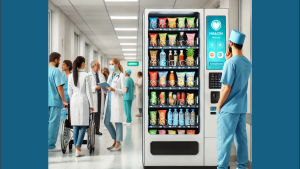
2. Healthcare Facilities
Hospitals and clinics benefit from micro markets offering 24/7 access to meals and snacks for staff, visitors, and patients, supporting the fast-paced healthcare environment.
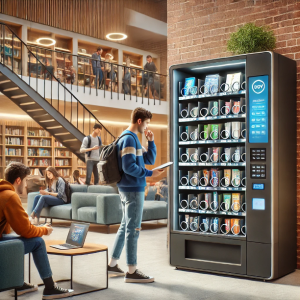
3. Educational Institutions
Universities and schools are introducing micro markets to offer students healthier and more diverse food choices, moving away from outdated vending machines.
4. Gyms and Fitness Centres
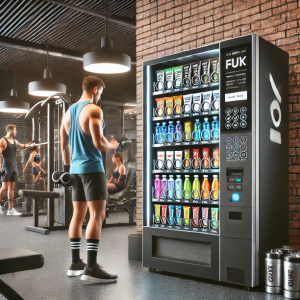
Health clubs are implementing micro markets to provide protein shakes, fitness snacks, supplements, and other health-focused products tailored to their clientele.
5. Transportation Hubs
Airports, train stations, and bus terminals incorporate micro markets to deliver fresh and convenient food options, enhancing travellers’ experiences.
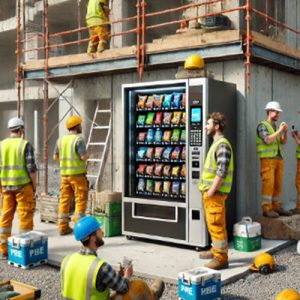
6. Construction Sites and Industrial Facilities
On-site marketplaces give construction and industrial workers easy access to food, beverages, and PPE, reducing downtime and supporting workforce wellbeing.
The Future of Micro-Markets in Hospitality
As technology continues to evolve, the potential for micro-markets in the hospitality sector is limitless. Future innovations may include personalised shopping experiences powered by AI, further integration with mobile devices, and even automated restocking using robotic systems.
For operators, the key will be to remain flexible and responsive to consumer trends. By doing so, they can leverage micro-markets to not only enhance their service offerings but also drive long-term growth and profitability.
Conclusion
The rise of micro-markets marks a significant shift in the hospitality sector, offering a perfect blend of convenience, efficiency, and customisation. For hoteliers, event venues, and workspaces, they represent an opportunity to meet the evolving needs of modern consumers while creating new revenue streams. As the industry continues to innovate, micro-markets are set to become an indispensable part of the hospitality experience, delighting guests and operators alike.
—
VendEase is revolutionising the vending machine industry in the UK by bringing a modern, high-tech approach to automated retail. Founded in 2004 by Jonny Holmes and Dave Berman, VendEase started with a vision to change the way vending machines serve customers, transforming them from basic snack dispensers into sophisticated, reliable, and essential services across a variety of industries.
VendEase isn’t just about vending machines; it’s about delivering innovative, customer-centric solutions that add real value to businesses and their clients. Our approach is built on reliability, advanced technology, and a deep understanding of the unique needs of each sector we serve. We believe in the power of convenience and are committed to pushing the boundaries of what vending can offer.